

Introduction
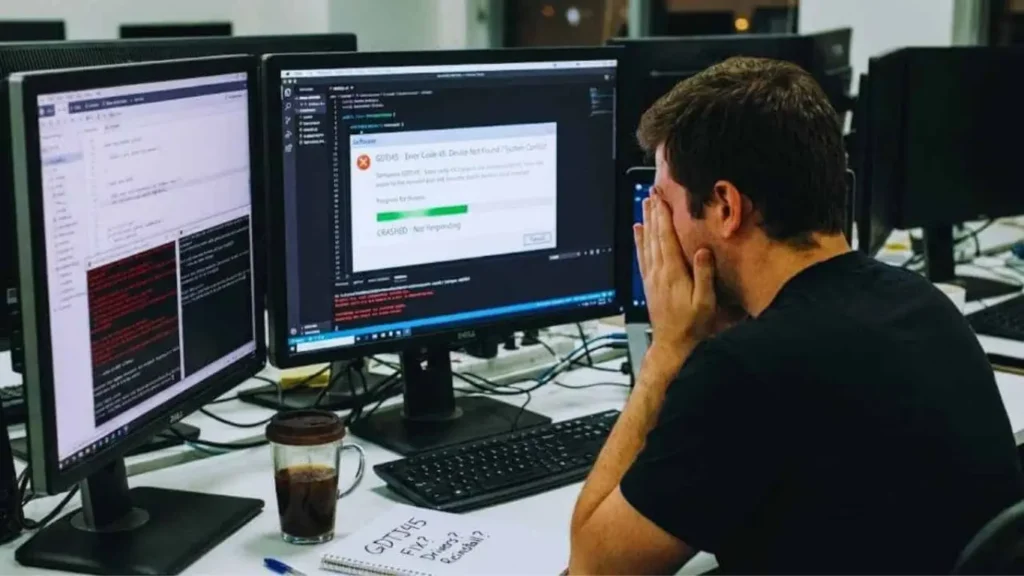
Modern software development tools are designed to make projects faster, smoother, and more efficient. However, many users still face technical challenges when using advanced builder systems. One topic that has recently gained attention is software gdtj45 builder problems. Developers, businesses, and IT teams often report issues related to installation, performance, compatibility, and workflow interruptions when working with this builder platform.
Understanding these problems is important because software builders play a major role in application development, automation, and deployment. When errors appear, they can slow down productivity, create security risks, and increase project costs. Some users experience simple configuration mistakes, while others struggle with deeper system conflicts that are harder to diagnose.
The good news is that most of these issues can be identified and fixed with the right approach. Whether the problem involves crashes, failed integrations, outdated modules, or poor optimization, knowing the root cause can save time and frustration. A clear troubleshooting process also helps developers avoid repeating the same mistakes in future projects.
This article provides a complete guide to the most common software gdtj45 builder problems, their causes, solutions, and prevention methods. It is written in simple language so beginners and experienced users can both understand the topic easily.
Understanding the Software GDTJ45 Builder
What Is the GDTJ45 Builder?
The GDTJ45 Builder is a software development platform designed to simplify application creation and deployment. It combines automation tools, templates, and coding support to help developers build systems faster. Many companies use such builders to reduce manual programming work and improve productivity.
One reason why this platform became popular is its ability to handle multiple development environments. It often supports plugins, third-party integrations, and cloud-based deployment systems. This flexibility makes it useful for both small and large projects.
Despite its advantages, users sometimes encounter technical limitations. Complex configurations, unsupported plugins, or outdated dependencies can create performance issues. These technical complications are often the starting point of many builder-related errors.
For beginners, the interface may also feel overwhelming at first. Without proper documentation or guidance, users can accidentally misconfigure settings, leading to failed builds or unstable applications.
Why Developers Use It
Developers choose the GDTJ45 Builder because it saves development time. Instead of writing every function from scratch, teams can use built-in components and automation tools. This allows faster project delivery and lower operational costs.
Another advantage is collaboration. Teams working remotely can share configurations, project files, and deployment settings more easily. This improves communication and speeds up workflows in software companies.
The builder also supports scalability. Businesses that expect future growth often prefer systems that can expand with their needs. The GDTJ45 Builder typically allows developers to add features and integrations without rebuilding the entire application.
However, the same advanced features that make the platform powerful can also create technical complications. If settings are not properly optimized, users may face serious performance or compatibility problems.
Common Software GDTJ45 Builder Problems
Installation and Setup Errors
One of the most common software gdtj45 builder problems appears during installation. Users may experience incomplete setup processes, corrupted files, or missing dependencies. These issues often happen because system requirements are not fully met.
Incorrect operating system versions can also create compatibility conflicts. Some builder versions only work properly on updated environments. If a user installs the software on an outdated system, the platform may crash or fail to launch.
Another issue involves permission settings. Restricted administrator rights can prevent essential files from being installed correctly. In corporate environments, strict security policies sometimes block installation processes entirely.
Internet interruptions during downloads may also damage installation packages. A corrupted installer can cause missing modules, broken features, or startup errors after installation.
Slow Performance and Lagging
Performance issues are another major complaint among users. Slow loading times, delayed responses, and system lag can reduce productivity significantly. These issues often happen when the builder consumes too much memory or CPU power.
Large projects with multiple plugins may overload the system. When too many features run at the same time, the builder struggles to maintain smooth performance. Weak hardware configurations can make the problem even worse.
Background applications may also interfere with performance. Antivirus tools, cloud sync services, and browser extensions sometimes consume resources needed by the builder.
Poor optimization within project settings can create unnecessary processing tasks. Developers who fail to clean unused files or outdated modules may experience slower build times and unstable performance.
Build Failures and Compilation Issues
Compilation errors are frustrating because they interrupt development progress. Sometimes projects fail to compile even when the code appears correct. This usually happens because of dependency conflicts or incorrect configurations.
Outdated libraries are a common cause of build failures. When plugins or frameworks are no longer compatible with the builder version, compilation may stop unexpectedly.
Syntax errors can also trigger failures. Even small coding mistakes may cause the entire build process to collapse. In some cases, developers spend hours locating a tiny issue hidden inside large code structures.
Corrupted cache files may also affect compilation. Clearing temporary build data often solves mysterious failures that seem difficult to explain at first.
Causes Behind Builder Problems
Outdated Software Components
Many technical issues occur because users continue running old software versions. Developers sometimes ignore updates to avoid workflow interruptions, but outdated systems become vulnerable to bugs and compatibility problems.
Older plugins may stop working with modern frameworks. This mismatch creates instability inside the builder environment. Over time, unsupported components can lead to crashes or data corruption.
Security vulnerabilities are another risk. Hackers often target outdated systems because they contain known weaknesses. Keeping software updated is essential for both stability and protection.
Regular updates usually include performance improvements, bug fixes, and better compatibility. Ignoring them increases the chances of recurring technical issues.
Hardware Limitations
Some users underestimate the hardware requirements needed for advanced software builders. Low RAM, slow processors, and limited storage can reduce overall performance.
Heavy development environments require significant computing power. If the system cannot handle multiple processes efficiently, lagging and crashes become common.
Storage limitations can also affect build speed. Full drives reduce temporary file processing performance, making compilation slower than normal.
Overheating is another hidden issue. Systems under heavy load may automatically reduce processing speed to protect hardware components, causing unexpected delays during development tasks.
Plugin and Integration Conflicts
Plugins add flexibility, but they also create risks. Installing too many third-party tools can introduce compatibility problems inside the builder environment.
Some plugins are poorly maintained and may contain outdated code. These components can conflict with newer builder versions and trigger instability.
Conflicting integrations sometimes overwrite important settings or libraries. When multiple tools attempt to control the same functions, the system may become unpredictable.
Testing plugins individually before large-scale implementation helps reduce these conflicts and improves overall stability.
How to Fix Software GDTJ45 Builder Problems
Update All System Components
The first step in troubleshooting is updating everything. This includes the builder itself, operating system, plugins, drivers, and dependencies.
Developers should always use official updates because unofficial modifications may introduce security risks. Updated versions typically fix known bugs and improve compatibility.
Automatic update systems can simplify maintenance. Enabling notifications ensures users stay informed about important improvements and security patches.
After updates, restarting the system helps apply changes correctly and reduces leftover configuration conflicts.
Optimize Project Settings
Project optimization can greatly improve performance. Developers should remove unused plugins, duplicate files, and outdated resources that consume unnecessary power.
Reducing background tasks also helps. Closing unused applications frees memory and processing capacity for the builder.
Efficient coding practices are equally important. Clean, organized code compiles faster and reduces the chances of unexpected failures.
Developers working on large projects should divide tasks into smaller modules. This reduces system strain and improves project management efficiency.
Clear Cache and Temporary Files
Cache corruption is a hidden cause of many technical issues. Temporary files sometimes store outdated information that conflicts with new project settings.
Clearing the cache forces the builder to generate fresh data. This often solves unexplained crashes, loading delays, and compilation errors.
Developers should also clean temporary build folders regularly. Keeping unnecessary files can slow performance and increase storage usage.
Automated maintenance tools can simplify cleanup processes and improve long-term stability.
Best Practices to Prevent Future Problems
Use Reliable Backup Systems
Data loss is one of the biggest risks during software development. Unexpected crashes or corrupted projects can destroy hours of work.
Using cloud backups and version control systems protects project files from permanent damage. Developers can restore previous versions if problems appear.
Automated backups reduce human error. Scheduling regular backups ensures critical files remain safe even during unexpected failures.
Testing backup restoration processes is equally important. A backup is only useful if it can actually recover lost data successfully.
Follow Proper Documentation
Many technical problems happen because users skip documentation. Reading official guides helps developers understand correct setup procedures and recommended practices.
Documentation also provides troubleshooting steps for common issues. Instead of guessing solutions, developers can follow tested instructions.
Teams should create internal documentation as well. Recording project configurations and changes helps future developers understand the system more easily.
Well-documented workflows reduce confusion and improve collaboration within development teams.
Test Before Deployment
Testing is essential before launching applications. Many software gdtj45 builder problems only appear under real-world conditions.
Running performance tests helps identify weak points before deployment. Developers can fix resource-heavy processes before users experience issues.
Compatibility testing is also important. Applications should work properly across different devices, operating systems, and browsers.
Security testing protects applications from vulnerabilities and reduces the risk of cyberattacks after release.
Advanced Troubleshooting Techniques
Using Debugging Tools
Debugging tools help developers identify the exact source of errors. Logs, monitoring systems, and error trackers provide valuable technical details.
Reading system logs carefully can reveal hidden problems that are not visible on the surface. Many crashes leave behind detailed error reports.
Advanced debugging software can monitor memory usage, plugin activity, and system performance in real time.
Developers who learn debugging techniques often solve problems faster and improve overall development efficiency.
Reinstalling the Builder
Sometimes reinstalling the builder is the best solution. Corrupted installations can create endless technical issues that simple fixes cannot solve.
Before reinstalling, developers should back up all project files and configurations. This prevents accidental data loss.
A clean installation removes damaged files and restores default settings. In many cases, this completely resolves persistent crashes and startup failures.
After reinstalling, users should only install trusted plugins and verified integrations to avoid repeating previous problems.
FAQs
What are the most common software gdtj45 builder problems?
The most common issues include installation failures, slow performance, plugin conflicts, compilation errors, and compatibility problems with outdated systems.
Why does the GDTJ45 Builder crash frequently?
Frequent crashes often happen بسبب outdated plugins, insufficient hardware resources, corrupted cache files, or incorrect project configurations.
How can I improve builder performance?
You can improve performance by updating software, clearing cache files, removing unused plugins, upgrading hardware, and reducing background applications.
Are plugin conflicts dangerous?
Yes, conflicting plugins can cause instability, data corruption, crashes, and failed builds. It is important to use trusted and updated integrations only.
Can outdated systems cause build failures?
Absolutely. Old operating systems, drivers, and libraries often create compatibility issues that prevent successful project compilation.
Is reinstalling the builder a good solution?
Reinstalling is useful when the installation becomes corrupted or repeated errors cannot be fixed through standard troubleshooting methods.
Conclusion
Software development tools are powerful, but they are not free from technical challenges. Many users experience software gdtj45 builder problems related to installation, performance, compatibility, and build stability. These issues can slow projects, reduce productivity, and create frustration for developers and businesses alike.
Fortunately, most problems have practical solutions. Updating software, optimizing settings, clearing cache files, and testing integrations carefully can solve many common errors. Strong documentation, backup systems, and proper maintenance also help prevent future complications.
Developers who understand the root causes of these problems are better prepared to manage projects efficiently. Instead of reacting to failures, they can build stable workflows that reduce downtime and improve software quality.
As technology continues evolving, software builders will become even more advanced. Staying informed, following best practices, and maintaining system health will remain the key to avoiding technical difficulties and achieving long-term development success.