

Introduction
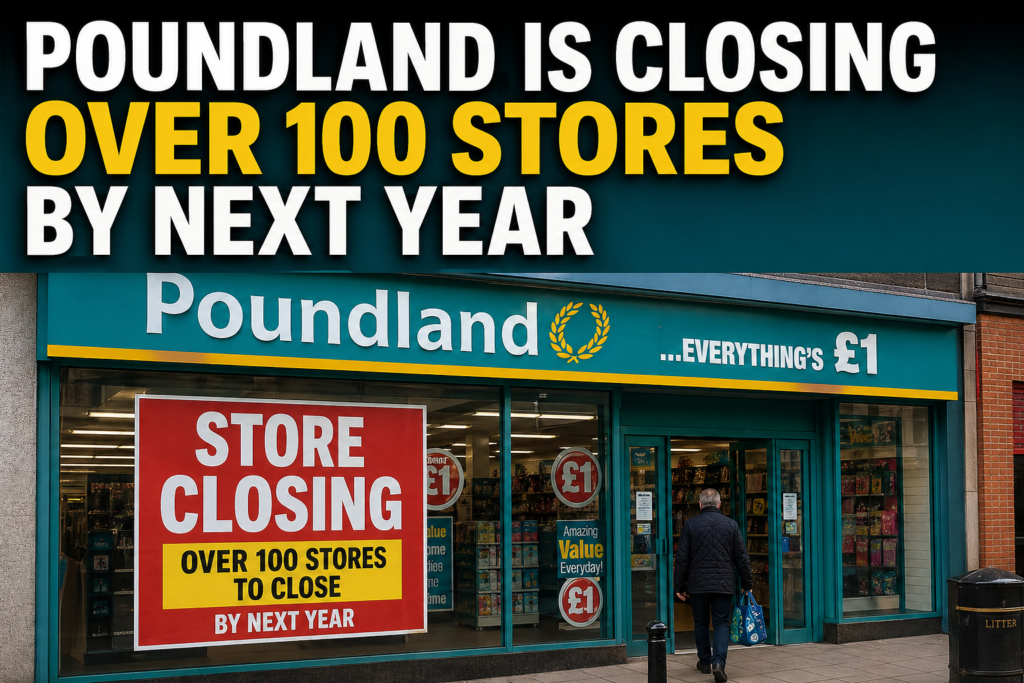
The retail landscape is constantly evolving, but some announcements still come as a surprise to millions of shoppers. One such headline making waves is that poundland is closing over 100 stores by next year. For a brand long associated with affordability and convenience, this development has raised concerns, questions, and curiosity among customers, employees, and industry experts alike.
Poundland has been a familiar name in the UK retail market for years, offering low-cost products that appeal to budget-conscious consumers. Its business model—simple pricing and wide accessibility—made it a go-to destination for everyday essentials. However, changing consumer behavior, economic pressures, and shifts in retail strategies have forced the company to rethink its operations.
This article explores why poundland is closing over 100 stores by next year, what factors are driving this decision, and what it means for the future of discount retail. Whether you are a regular shopper or simply interested in business trends, this guide will give you a clear and engaging understanding of the situation.
Why Poundland Is Closing Over 100 Stores by Next Year
Changing Consumer Shopping Habits
One of the biggest reasons behind this move is the shift in how people shop. Over the past decade, online shopping has grown significantly. Customers now prefer the convenience of ordering products from home rather than visiting physical stores. This shift has affected many traditional retailers, including discount chains.
Even loyal Poundland customers are increasingly turning to online platforms for better deals, wider selections, and doorstep delivery. As a result, foot traffic in some physical locations has declined. Stores that once saw consistent daily sales are now struggling to maintain profitability.
This change doesn’t mean people no longer care about affordability. Instead, it reflects a new way of finding value—through digital platforms, price comparisons, and quick delivery options. Poundland’s store closures are, in part, a response to this evolving consumer mindset.
Rising Operational Costs
Another major factor contributing to the announcement that poundland is closing over 100 stores by next year is the rising cost of running physical outlets. Rent, utilities, staffing, and logistics expenses have all increased in recent years.
For discount retailers, maintaining low prices while covering these growing costs is particularly challenging. Unlike premium brands, Poundland operates on thin profit margins. Even a small increase in expenses can significantly impact overall profitability.
In some locations, the cost of keeping stores open simply outweighs the revenue they generate. Closing underperforming stores allows the company to focus resources on more profitable areas and maintain its competitive pricing strategy.
Strategic Business Restructuring
The decision to shut down stores is not just about cutting losses—it is also part of a broader strategy. Poundland is likely aiming to modernize its operations and adapt to current market trends.
This could include investing in larger, more efficient stores, improving supply chains, or expanding its online presence. By reducing the number of locations, the company can allocate funds toward innovation and long-term growth.
Business restructuring often involves tough choices, and store closures are one of them. While it may seem negative at first glance, it can be a necessary step for survival in a competitive retail environment.
Impact on Customers and Local Communities
Reduced Accessibility for Shoppers
For many customers, especially those who rely on nearby stores for daily essentials, the news that poundland is closing over 100 stores by next year is concerning. These closures may mean longer travel times or fewer convenient shopping options.
This is particularly important in smaller towns and rural areas where alternative discount stores may not be easily accessible. For people with limited mobility or transportation, losing a local Poundland store can significantly affect their shopping routine.
While online shopping is an option, not everyone has access to reliable internet services or prefers digital transactions. This highlights the importance of physical stores in maintaining accessibility for all customers.
Economic Effects on Local Areas
Store closures don’t just affect shoppers—they also impact local economies. Each store provides employment opportunities, from sales staff to management roles. When stores shut down, jobs are lost, which can be a major concern for affected communities.
Additionally, Poundland stores often attract foot traffic to nearby businesses. When a store closes, surrounding shops may also experience a decline in customers. This ripple effect can weaken local retail ecosystems.
However, in some cases, closed retail spaces may eventually be replaced by new businesses, potentially bringing fresh opportunities. The long-term impact will depend on how these spaces are utilized.
Customer Loyalty and Brand Perception
Poundland has built a strong reputation over the years for affordability and convenience. News that poundland is closing over 100 stores by next year may affect how customers perceive the brand.
Some shoppers might worry about the company’s stability or future availability. Others may feel disappointed if their favorite local store is among those closing.
To maintain customer trust, Poundland will need to communicate clearly and ensure that its remaining stores and services continue to meet expectations. Transparency and consistency will play a key role in preserving brand loyalty.
The Future of Poundland in a Changing Retail Market
Expansion of Online Shopping Channels
As physical stores close, Poundland may focus more on strengthening its online presence. E-commerce offers opportunities to reach a wider audience without the limitations of physical locations.
Developing a user-friendly website, offering competitive delivery options, and maintaining low prices online could help the company stay relevant. Many retailers have successfully transitioned to a hybrid model that combines online and in-store shopping.
If Poundland invests in digital transformation, it could offset some of the losses from store closures and even attract new customers.
Focus on High-Performing Locations
Rather than maintaining a large number of underperforming stores, Poundland may concentrate on fewer, more successful locations. These stores can be optimized for better customer experience, product variety, and efficiency.
Larger stores in high-traffic areas may offer expanded product ranges, including groceries, household goods, and seasonal items. This approach allows the company to maximize profitability while maintaining its core value proposition.
By focusing on quality over quantity, Poundland can strengthen its position in the market despite reducing its overall store count.
Adapting to Market Competition
The retail sector is highly competitive, with discount stores, supermarkets, and online platforms all vying for customer attention. Poundland must adapt to remain competitive.
This could involve introducing new product lines, improving store layouts, or offering exclusive deals. Understanding customer preferences and staying ahead of trends will be crucial.
While the announcement that poundland is closing over 100 stores by next year highlights challenges, it also reflects a willingness to evolve—a key factor for long-term success.
Lessons from the Retail Industry Shift
The Importance of Flexibility
One clear lesson from this situation is the need for flexibility in business. Retailers must be ready to adapt to changing conditions, whether it’s consumer behavior, economic factors, or technological advancements.
Companies that resist change risk falling behind. Poundland’s decision shows that even established brands must adjust their strategies to survive and grow.
Flexibility also involves experimenting with new ideas, learning from mistakes, and continuously improving operations.
Balancing Cost and Customer Value
Discount retailers face a unique challenge: keeping prices low while maintaining quality and service. Rising costs make this balance even more difficult.
Poundland’s store closures highlight the importance of managing expenses without compromising customer value. This may involve streamlining operations, negotiating better supplier deals, or optimizing inventory management.
Finding this balance is essential for sustaining customer trust and business profitability.
The Role of Innovation in Retail
Innovation is no longer optional—it’s necessary. From digital platforms to in-store experiences, retailers must find new ways to engage customers.
For Poundland, innovation could mean adopting technology, enhancing product offerings, or improving logistics. Staying relevant in a fast-changing market requires continuous creativity and forward thinking.
FAQs
Why is Poundland closing over 100 stores?
Poundland is closing stores due to a combination of factors, including changing shopping habits, rising operational costs, and strategic restructuring. The goal is to improve efficiency and focus on more profitable locations.
Will all Poundland stores close?
No, not all stores are closing. The company plans to shut down over 100 locations, but many others will remain open and continue serving customers.
How will this affect employees?
Store closures may lead to job losses in affected locations. However, some employees might be offered positions in other stores or roles within the company.
Can customers still shop online?
Poundland may expand its online services to provide customers with alternative shopping options. This could include home delivery and click-and-collect services.
Will prices increase after the closures?
While it’s not guaranteed, Poundland aims to maintain its reputation for affordability. Closing underperforming stores may help the company manage costs and keep prices competitive.
What does this mean for the future of discount retail?
The situation highlights the challenges faced by discount retailers in a changing market. It also shows the importance of adapting to new trends, such as online shopping and cost management.
Conclusion
The announcement that poundland is closing over 100 stores by next year marks a significant moment in the retail industry. While it reflects challenges such as rising costs and shifting consumer habits, it also represents a strategic effort to adapt and survive in a competitive market.
For customers, the impact will vary depending on location and access to alternative shopping options. For communities, store closures may bring economic challenges but also opportunities for change. And for Poundland itself, this move could pave the way for a more focused, efficient, and modern business model.
Retail is constantly evolving, and companies must evolve with it. Poundland’s decision is a reminder that even well-established brands must make difficult choices to stay relevant. As the company navigates this transition, its ability to innovate and connect with customers will determine its future success.