

Introduction
Buying a car should be a smooth, enjoyable experience for everyone. However, for people with hearing loss, visiting a dealership can sometimes feel stressful due to communication barriers. That’s where a car dealership with hearing loop technology makes a powerful difference. These dealerships are designed to provide better accessibility, ensuring that customers who use hearing aids or cochlear implants can communicate clearly with staff.
A hearing loop, also known as an induction loop system, transmits sound directly to hearing devices, reducing background noise and improving clarity. In a busy dealership environment filled with conversations, announcements, and distractions, this technology can significantly enhance the customer experience. It allows individuals to focus on what truly matters—choosing the right vehicle.
In this article, we’ll explore everything you need to know about a car dealership with hearing loop, including how it works, why it matters, and how it benefits both customers and businesses. Whether you’re a buyer looking for a more accessible experience or a dealership owner aiming to improve inclusivity, this guide will provide valuable insights.
Understanding Hearing Loop Technology in Car Dealerships
What Is a Hearing Loop System?
A hearing loop system is an assistive listening technology that helps people with hearing loss hear more clearly. It consists of a microphone, an amplifier, and a loop of wire installed around a specific area. The system picks up sound from a speaker or staff member and transmits it directly to hearing aids equipped with a telecoil (T-coil).
In a dealership setting, this means customers can hear sales representatives without interference from background noise. Whether discussing car features, financing options, or test drive details, communication becomes clearer and more comfortable. This is especially useful in open-plan showrooms where sound tends to echo or overlap.
The simplicity of the system is one of its biggest advantages. Customers don’t need additional devices—just a compatible hearing aid. Once the T-coil is activated, they can instantly connect to the loop system and enjoy improved sound quality.
How Hearing Loops Work in a Dealership Environment
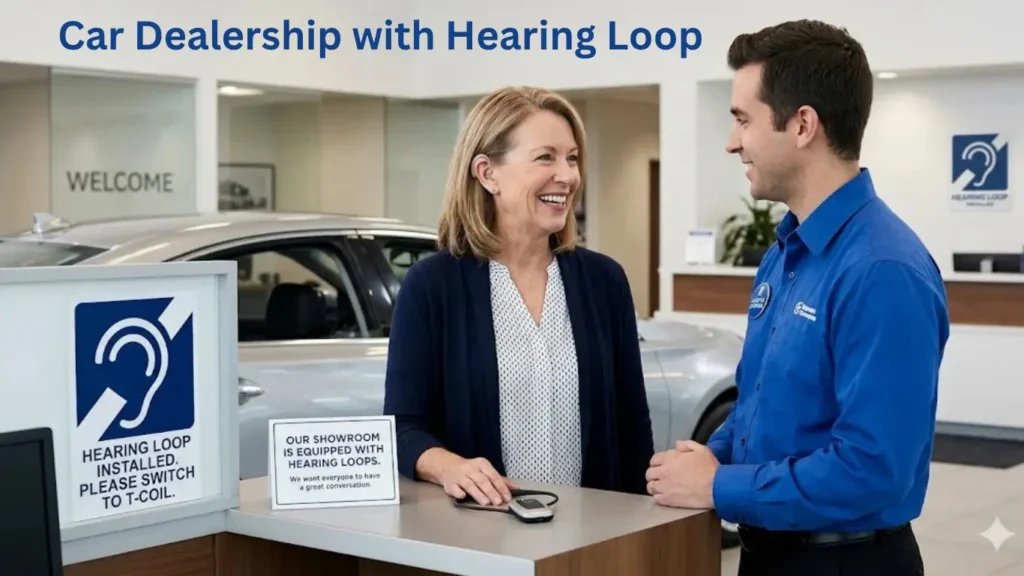
In a car dealership with hearing loop, the system is typically installed in key areas such as sales desks, customer service counters, and waiting lounges. When a staff member speaks into a microphone, the sound is converted into a magnetic signal that travels through the loop wire.
This signal is then picked up by the telecoil in the customer’s hearing aid, converting it back into clear audio. The result is a direct, interference-free listening experience. Unlike traditional amplification systems, hearing loops eliminate background noise and distortion.
This setup is particularly beneficial during detailed conversations, such as explaining vehicle specifications or negotiating prices. It ensures that customers don’t miss important information, leading to better decision-making and satisfaction.
Why Hearing Loop Technology Matters
Accessibility is no longer optional—it’s essential. A car dealership with hearing loop demonstrates a commitment to inclusivity and equal access. For individuals with hearing loss, this technology can transform a potentially frustrating experience into a seamless one.
Beyond convenience, hearing loops also promote independence. Customers don’t need to rely on companions or written notes to communicate. They can interact directly with dealership staff, ask questions, and make informed choices on their own.
Moreover, businesses that invest in accessibility often build stronger relationships with customers. By addressing diverse needs, dealerships can create a welcoming environment that encourages trust and loyalty.
Benefits of Car Dealerships with Hearing Loop Systems
Enhanced Customer Experience
One of the most significant advantages of a car dealership with hearing loop is the improved customer experience. Clear communication is the foundation of any successful interaction, especially when making a major purchase like a car.
Customers with hearing loss often struggle in noisy environments, which can lead to misunderstandings or missed information. Hearing loops eliminate these challenges by delivering crisp, direct sound. This allows customers to fully engage in conversations and feel confident in their decisions.
A positive experience not only increases satisfaction but also encourages repeat visits and recommendations. When customers feel valued and understood, they are more likely to return and share their experience with others.
Increased Accessibility and Inclusivity
Accessibility is about creating equal opportunities for everyone. By installing hearing loop systems, dealerships ensure that people with hearing impairments can access their services without barriers.
This inclusivity extends beyond customers. Employees with hearing loss can also benefit from hearing loops, improving workplace communication and productivity. It creates a supportive environment where everyone can perform at their best.
In today’s world, inclusivity is a key factor in business success. Companies that prioritize accessibility are often seen as more responsible and customer-focused, which enhances their reputation.
Competitive Advantage in the Market
A car dealership with hearing loop stands out in a competitive market. While many dealerships focus on pricing and inventory, accessibility can be a unique selling point that attracts a wider audience.
Customers are increasingly looking for businesses that align with their values. By offering accessible services, dealerships can differentiate themselves and appeal to a broader customer base. This includes not only individuals with hearing loss but also their families and communities.
Additionally, accessibility improvements often lead to positive reviews and word-of-mouth marketing. This can significantly boost a dealership’s visibility and credibility.
Key Features of an Accessible Car Dealership
Customer-Centric Design
An accessible dealership goes beyond just installing a hearing loop. It involves designing spaces that cater to diverse needs. This includes clear signage, comfortable seating, and well-lit areas that make communication easier.
In a car dealership with hearing loop, the layout is often optimized to minimize noise and distractions. Quiet zones or dedicated consultation areas can further enhance the experience for customers who rely on assistive technology.
Customer-centric design ensures that every visitor feels comfortable and supported throughout their journey.
Staff Training and Awareness
Technology alone is not enough—staff training is equally important. Employees should understand how hearing loops work and how to assist customers who use them.
Training programs can teach staff how to communicate effectively, such as speaking clearly, maintaining eye contact, and using simple language. These small adjustments can make a big difference in customer interactions.
A well-trained team ensures that the benefits of a car dealership with hearing loop are fully realized. It creates a welcoming atmosphere where customers feel respected and understood.
Integration with Other Accessibility Features
Hearing loops are most effective when combined with other accessibility features. These may include captioned videos, visual displays, and text-based communication options.
For example, digital screens can display key information about vehicles, making it easier for customers to follow along during discussions. Online tools and chat services can also provide additional support.
By integrating multiple accessibility solutions, dealerships can offer a comprehensive and inclusive experience for all customers.
How to Find a Car Dealership with Hearing Loop
Research and Online Resources
Finding a car dealership with hearing loop is becoming easier thanks to online resources. Many businesses now highlight their accessibility features on their websites or social media profiles.
Search engines and directories can also help identify accessible dealerships in your area. Look for keywords like “hearing loop,” “assistive listening,” or “accessible services” when browsing.
Customer reviews can provide valuable insights as well. Feedback from other users can help you determine whether a dealership truly meets accessibility standards.
Contacting Dealerships Directly
If you’re unsure whether a dealership has a hearing loop system, don’t hesitate to contact them directly. A quick phone call or email can provide the information you need.
Ask about the availability of hearing loops and where they are installed within the dealership. You can also inquire about staff training and other accessibility features.
Direct communication ensures that you have accurate information before visiting, helping you plan your experience more effectively.
Visiting and Testing the System
Whenever possible, visit the dealership and test the hearing loop system yourself. This allows you to evaluate its effectiveness and ensure it meets your needs.
Pay attention to sound clarity, ease of use, and overall comfort. If you encounter any issues, don’t hesitate to ask staff for assistance.
A hands-on experience is the best way to determine whether a car dealership with hearing loop provides the level of accessibility you expect.
FAQs
What is a hearing loop in a car dealership?
A hearing loop is an assistive listening system that transmits sound directly to hearing aids with telecoils. It helps customers hear clearly by reducing background noise and improving audio quality.
Do all hearing aids work with hearing loops?
Not all hearing aids are compatible. Only those equipped with a telecoil (T-coil) can connect to a hearing loop system. Check your device specifications or consult your audiologist.
Is using a hearing loop difficult?
No, it’s very simple. Users just need to switch their hearing aid to the T-coil setting. Once activated, the system automatically delivers clear sound.
Are hearing loops available in all car dealerships?
No, not all dealerships have this technology yet. However, more businesses are adopting it to improve accessibility and customer experience.
Can hearing loops benefit people without hearing aids?
Hearing loops are specifically designed for hearing aid users. However, some systems may offer additional receivers for those without compatible devices.
Why should dealerships invest in hearing loop systems?
Hearing loops enhance accessibility, improve customer satisfaction, and provide a competitive advantage. They also demonstrate a commitment to inclusivity and social responsibility.
Conclusion
A car dealership with hearing loop represents a significant step toward inclusive and accessible customer service. By eliminating communication barriers, these systems empower individuals with hearing loss to engage confidently in the car-buying process.
From improved customer experiences to increased business opportunities, the benefits of hearing loop technology are clear. Dealerships that embrace accessibility not only meet the needs of a diverse audience but also build stronger relationships and a positive reputation.
As awareness continues to grow, more dealerships are likely to adopt this technology, making car buying more inclusive for everyone. Whether you’re a customer seeking better communication or a business looking to stand out, investing in accessibility is a decision that delivers lasting value.