

Introduction
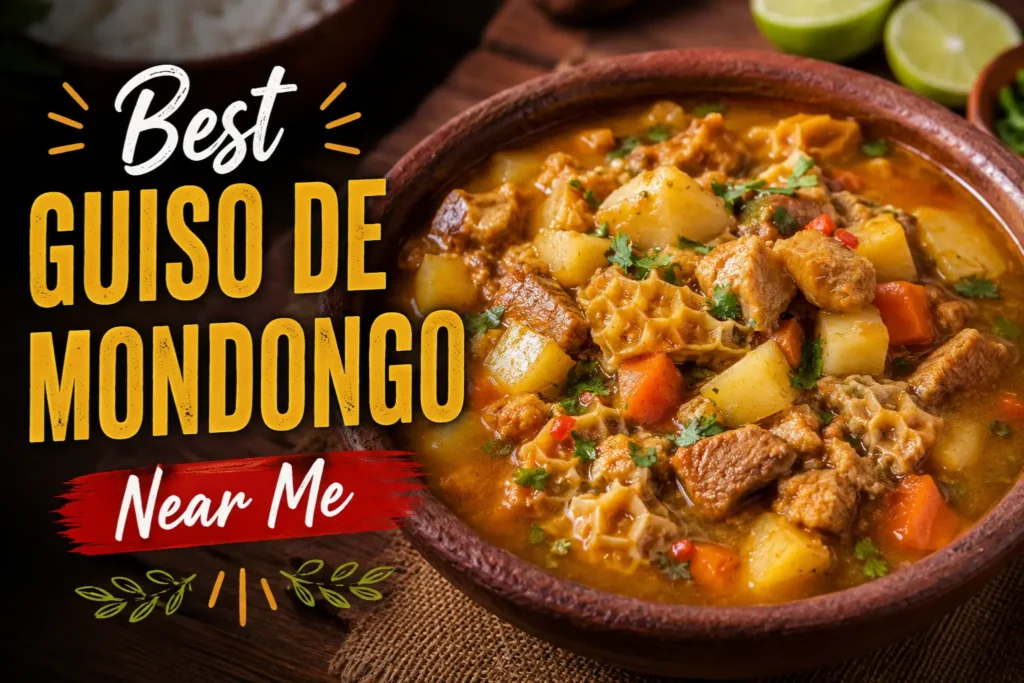
If you have ever searched for the best guiso de mondongo near me, you already know how comforting and flavorful this traditional dish can be. Guiso de mondongo is a rich stew made mainly from tripe, vegetables, herbs, and spices. It is popular in many Latin American and Caribbean countries, where families prepare it with unique local touches and recipes passed down through generations.
People love this dish because it combines hearty ingredients with slow-cooked flavor. The texture of the tripe becomes tender after long cooking, while potatoes, carrots, peppers, and seasonings create a thick and satisfying broth. Whether served with rice, bread, or avocado, guiso de mondongo is considered a true comfort food.
Many food lovers search online for the best local spots serving authentic mondongo stew. Restaurants, small family-owned eateries, and Latin food trucks often offer homemade versions that remind people of traditional home cooking. Finding a quality bowl can turn an ordinary meal into a memorable dining experience.
This guide explains everything you need to know about guiso de mondongo, including its history, ingredients, health benefits, where to find it, and what makes one restaurant better than another. If you are searching for the best guiso de mondongo near me, this article will help you discover exactly what to look for.
What Is Guiso de Mondongo?
The Origins of Mondongo Stew
Mondongo has deep roots in Latin American, Caribbean, and Spanish cuisine. Different countries prepare it in their own way, but the main ingredient is usually tripe, which comes from the stomach lining of cattle. Over time, cooks developed flavorful stews using vegetables, herbs, and local spices to create hearty family meals.
In countries like the Dominican Republic, Puerto Rico, Colombia, Panama, and Venezuela, mondongo is considered a traditional comfort dish. Families often prepare it for large gatherings, holidays, or weekend meals. Some recipes are spicy, while others focus more on savory and smoky flavors.
The word “guiso” means stew, which perfectly describes the slow-cooked texture and rich broth of the dish. Cooking mondongo requires patience because the tripe must become soft and absorb all the flavors from the ingredients around it.
Today, many restaurants proudly serve their own versions of mondongo stew. Some stay true to old recipes, while others add modern twists to attract new customers.
Main Ingredients Used in Guiso de Mondongo
The heart of the dish is tripe, but the supporting ingredients make every bowl special. Most recipes include onions, garlic, peppers, tomatoes, potatoes, carrots, cilantro, and seasonings. Some cooks also add corn, chickpeas, cassava, or chorizo for extra richness.
The cooking process is important because tripe needs proper cleaning and slow simmering. When prepared correctly, it becomes tender and flavorful instead of chewy. Herbs and spices blend together over several hours, creating a deeply satisfying stew.
Some restaurants use beef broth for stronger flavor, while others prefer lighter vegetable-based broths. The seasoning style also changes depending on regional traditions.
No matter the recipe variation, the goal remains the same: creating a warm and filling dish packed with flavor and texture.
Why People Love Guiso de Mondongo
A Rich and Comforting Flavor
One reason people constantly search for the best guiso de mondongo near me is the unforgettable taste. The stew has a rich, savory flavor that becomes stronger as it slowly cooks. Every spoonful combines soft vegetables, tender meat, and aromatic herbs.
The broth is often thick and hearty, making it perfect for colder weather or relaxing weekend meals. Many people describe mondongo as the type of food that feels homemade and comforting.
Restaurants that prepare mondongo properly usually gain loyal customers because authentic recipes create a unique dining experience. Some people even travel long distances just to enjoy their favorite bowl.
The balance of spices, vegetables, and slow-cooked meat creates a depth of flavor that many soups and stews cannot match.
Cultural and Family Traditions
Mondongo is more than just food in many cultures. It represents tradition, family gatherings, and shared meals. Grandparents often pass recipes down through generations, keeping cultural heritage alive through cooking.
Many families prepare mondongo during holidays or Sunday lunches. Sharing the dish with relatives and friends creates emotional connections and lasting memories.
For immigrants living abroad, finding authentic mondongo can feel like reconnecting with home. That emotional connection is one reason the dish remains popular across different communities.
Restaurants that honor traditional cooking methods usually attract customers looking for authenticity rather than fast food convenience.
How to Find the Best Guiso de Mondongo Near Me
Search Local Latin Restaurants
The easiest way to start your search is by looking for Latin American or Caribbean restaurants nearby. Dominican, Puerto Rican, Colombian, and Venezuelan restaurants often include mondongo on their menus.
Reading online reviews can help identify places known for authentic cooking. Customers frequently mention flavor, portion size, freshness, and service quality in their reviews.
When searching for the best guiso de mondongo near me, focus on restaurants with consistent positive feedback. Small family-owned businesses often provide the most authentic experience because their recipes come from tradition rather than commercial kitchens.
Food delivery apps can also help you compare ratings, menu photos, and prices before visiting a restaurant.
Ask Locals for Recommendations
Sometimes the best food recommendations come directly from local communities. Asking friends, neighbors, or coworkers can lead you to hidden gems that may not appear at the top of search results.
Latin grocery stores and community markets are also excellent places to ask about authentic mondongo spots. Employees and customers often know which restaurants serve homemade-style dishes.
Social media groups focused on local food scenes can provide honest opinions as well. People enjoy sharing their favorite places for comfort food and traditional meals.
Personal recommendations often help you discover smaller restaurants with exceptional quality and authentic flavors.
What Makes a Great Guiso de Mondongo?
Fresh Ingredients and Proper Preparation
A high-quality mondongo stew always starts with fresh ingredients. The tripe must be carefully cleaned and slowly cooked until tender. Poor preparation can lead to unpleasant texture or smell, which is why experienced cooking matters.
Fresh vegetables add sweetness and balance to the stew. Herbs like cilantro and oregano bring freshness that enhances the overall flavor profile.
Restaurants known for great mondongo usually spend hours preparing the dish properly. Slow cooking allows all ingredients to blend naturally without rushing the process.
Customers can often taste the difference between freshly made mondongo and mass-produced versions.
Balanced Seasoning and Texture
The best mondongo has balanced seasoning rather than overwhelming spice. Garlic, peppers, onions, and herbs should complement the broth without overpowering it.
Texture is equally important. The tripe should feel tender but not mushy, while vegetables should remain soft without falling apart completely.
A thick and flavorful broth often separates excellent mondongo from average versions. Some cooks prefer smoky flavors, while others focus on herbal and savory notes.
Restaurants that consistently maintain texture and flavor quality often become local favorites.
Popular Side Dishes Served with Mondongo
Rice and Avocado
White rice is one of the most common side dishes served with mondongo. The rice absorbs the flavorful broth and makes the meal even more filling.
Avocado slices add freshness and creaminess that balance the richness of the stew. Many diners enjoy combining avocado with every spoonful for extra texture.
Some restaurants also serve lime wedges to brighten the flavors and add slight acidity to the dish.
These simple sides help complete the traditional dining experience.
Bread, Plantains, and Cassava
Crusty bread is perfect for dipping into the broth. Many people enjoy soaking bread in the stew to absorb all the rich flavors.
Fried plantains provide sweetness that contrasts nicely with the savory stew. Cassava, also known as yuca, is another common side that adds extra heartiness.
Depending on the country or region, restaurants may include additional traditional accompaniments that enhance the meal.
These side dishes help transform mondongo into a satisfying and complete feast.
Health Benefits of Guiso de Mondongo
Rich in Protein and Nutrients
Tripe contains protein, iron, zinc, and vitamin B12. These nutrients support muscle growth, energy production, and overall health.
Vegetables used in the stew provide fiber, vitamins, and antioxidants. Carrots, tomatoes, peppers, and herbs contribute nutritional value while enhancing flavor.
Because the dish contains a balance of protein and vegetables, many people consider it both filling and nourishing.
When prepared with moderate oil and fresh ingredients, mondongo can fit into a balanced diet.
Slow-Cooked Meals Can Be More Satisfying
Slow-cooked dishes often feel more satisfying because the flavors develop naturally over time. Many people find hearty soups and stews comforting and emotionally rewarding.
Eating warm, homemade-style meals may also encourage slower eating habits, which can help with portion control.
Restaurants that prepare mondongo traditionally often avoid excessive processing and artificial flavoring.
As a result, authentic guiso de mondongo can be both delicious and wholesome.
Tips for Ordering Mondongo at Restaurants
Check Daily Specials
Some restaurants only serve mondongo on weekends or specific days. Calling ahead or checking social media pages can save time before visiting.
Daily specials often feature freshly prepared batches, which may taste better than reheated versions.
When searching for the best guiso de mondongo near me, look for places that specialize in traditional dishes instead of offering them occasionally.
Fresh preparation usually leads to stronger flavor and better quality.
Try Regional Variations
Different countries prepare mondongo differently, so trying multiple styles can expand your food experience. Dominican mondongo may taste different from Colombian or Puerto Rican versions.
Some recipes include spicy peppers, while others focus on smoky sausage or rich tomato broth.
Exploring regional variations helps you discover which style you enjoy most.
Food lovers often appreciate how one dish can reflect many cultural traditions.
FAQs About Guiso de Mondongo
What is guiso de mondongo made of?
Guiso de mondongo is mainly made with tripe, vegetables, herbs, and spices. Common ingredients include potatoes, carrots, peppers, onions, garlic, and cilantro.
Is mondongo spicy?
Most mondongo recipes are mildly seasoned rather than extremely spicy. However, some regional versions include hot peppers or spicy sausage.
Why do people search for the best guiso de mondongo near me?
People search for authentic restaurants that prepare flavorful homemade-style mondongo using traditional recipes and fresh ingredients.
What does tripe taste like?
Tripe has a mild flavor that absorbs the seasonings and broth around it. When cooked properly, it becomes tender and savory.
Is guiso de mondongo healthy?
Mondongo can provide protein, vitamins, and minerals when prepared with fresh vegetables and balanced ingredients.
Which countries are famous for mondongo?
Countries like the Dominican Republic, Puerto Rico, Colombia, Panama, and Venezuela are especially known for delicious mondongo recipes.
Conclusion
Finding the best guiso de mondongo near me can lead to one of the most comforting and flavorful dining experiences available in Latin cuisine. This traditional stew combines tender tripe, vegetables, herbs, and spices into a rich and satisfying meal that reflects generations of culinary tradition.
Whether you enjoy Dominican, Puerto Rican, Colombian, or Venezuelan styles, mondongo offers warmth, culture, and unforgettable flavor in every bowl. From family-owned restaurants to local food trucks, authentic recipes continue bringing people together through shared meals and cultural pride.
When searching for the perfect bowl, focus on restaurants known for fresh ingredients, slow cooking, and authentic preparation methods. Reading reviews, asking locals, and exploring regional variations can help you discover amazing hidden gems in your area.
Mondongo remains popular because it is more than just a stew. It represents comfort, tradition, and the joy of homemade cooking. The next time you crave a hearty and flavorful meal, exploring the best local mondongo spots may introduce you to a new favorite dish.