

Introduction
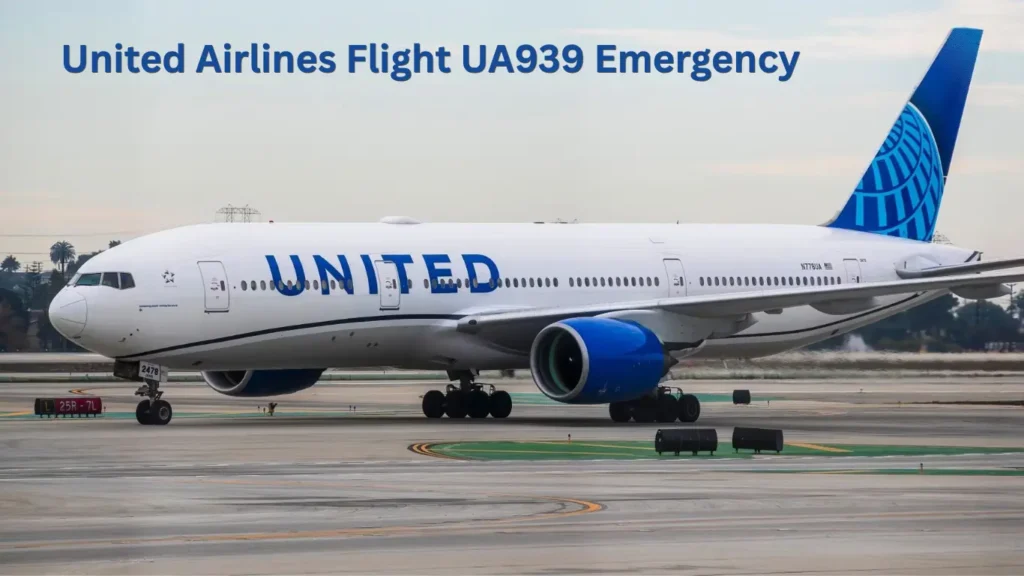
Air travel is considered one of the safest forms of transportation in the world, yet emergency situations during flights still capture global attention. One recent topic that sparked curiosity online is the united airlines flight ua939 emergency. Travelers, aviation enthusiasts, and frequent flyers often search for information about such incidents to understand what happened, how airlines respond, and what safety procedures are followed during emergencies.
The aviation industry operates under strict international safety standards. Even a minor technical issue can lead pilots and airlines to declare an emergency as a precaution. In many cases, these decisions are made to protect passengers and crew while ensuring the aircraft lands safely. The discussion around the united airlines flight ua939 emergency highlights how airlines prioritize safety above all else.
Understanding how emergency situations are handled can help reduce fear among travelers. Modern aircraft are designed with advanced backup systems, highly trained pilots, and sophisticated monitoring technologies. When an emergency is declared, it does not always mean a catastrophic event is happening. Sometimes, it simply means the crew wants priority handling from air traffic control.
This article explores the possible causes behind aviation emergencies, how airlines manage unexpected situations, the role of pilots and crew members, and what passengers should know during such events. It also examines why incidents like the united airlines flight ua939 emergency become major talking points online.
Understanding Aviation Emergencies
What Counts as an Aviation Emergency?
An aviation emergency occurs when a flight experiences a situation that could affect the safety of passengers, crew, or the aircraft itself. These emergencies can range from medical issues to technical malfunctions or severe weather conditions. Airlines follow internationally recognized protocols whenever an emergency is declared.
Pilots are trained extensively to handle unusual conditions. Modern aviation systems include backup equipment that allows aircraft to continue operating safely even if one component fails. In many cases, emergencies are declared purely out of caution rather than immediate danger.
The term “emergency” often sounds alarming to passengers, but in aviation, it is part of a structured safety process. Declaring an emergency gives pilots priority communication and landing clearance, allowing ground teams to prepare quickly.
The attention surrounding the united airlines flight ua939 emergency reflects how passengers today closely follow aviation-related developments through social media and news platforms.
Common Causes of Flight Emergencies
There are several reasons why a flight may declare an emergency. Technical issues are among the most common. These can involve engine irregularities, hydraulic problems, navigation system alerts, or electrical faults.
Medical emergencies are another frequent reason. If a passenger or crew member becomes critically ill during a flight, pilots may divert to the nearest airport to ensure quick medical assistance.
Weather conditions can also create emergency situations. Severe turbulence, storms, lightning, or poor visibility may require urgent operational changes. Pilots constantly monitor weather updates during flights to avoid risky conditions.
In discussions related to the united airlines flight ua939 emergency, many people became interested in how quickly airlines can respond to unexpected situations while maintaining passenger safety.
Why Emergency Declarations Are Important
Emergency declarations help ensure quick coordination between pilots, air traffic controllers, airport authorities, and emergency services. This coordination can significantly improve response times.
Once an emergency is declared, air traffic controllers prioritize the affected aircraft over other flights. Firefighters, medical personnel, and ground support teams are placed on standby at the destination airport.
These procedures are designed to minimize risk and provide the safest possible outcome. Aviation authorities worldwide continuously update safety protocols to improve emergency management.
Passengers often feel anxious when hearing the word “emergency,” but these procedures exist precisely because the aviation industry focuses heavily on prevention and preparedness.
How Airlines Handle Emergency Situations
Pilot Training and Decision-Making
Pilots undergo years of training before commanding commercial flights. They regularly practice emergency scenarios using advanced flight simulators that recreate real-world situations.
These simulations include engine failures, cabin depressurization, severe weather, and emergency landings. Pilots learn how to remain calm under pressure and follow strict checklists designed for different scenarios.
Decision-making during emergencies is based on training, communication, and available data. Pilots work closely with co-pilots and airline operations teams to determine the safest course of action.
In incidents such as the united airlines flight ua939 emergency, aviation experts often point out that pilot professionalism plays a major role in ensuring safe outcomes.
Cabin Crew Responsibilities During Emergencies
Flight attendants are trained safety professionals, not just customer service staff. During emergencies, they guide passengers, provide instructions, and ensure orderly procedures are followed.
Cabin crew members receive training in first aid, evacuation techniques, firefighting, and emergency communication. They also help manage passenger emotions during stressful situations.
Their calm behavior can greatly influence how passengers react during emergencies. Clear instructions and confident communication help reduce panic inside the cabin.
Passengers are encouraged to pay attention during safety briefings because these instructions become extremely important during unexpected situations.
Coordination With Air Traffic Control
Air traffic control plays a critical role during emergencies. Controllers provide pilots with priority routing, runway access, and updated weather information.
Communication between pilots and controllers must remain clear and accurate. Controllers also coordinate with airport emergency teams to prepare for arrival.
If an aircraft needs to divert to another airport, air traffic control helps arrange a safe landing path. This coordination happens rapidly, often within minutes.
The aviation system depends heavily on teamwork, and emergency situations demonstrate how multiple professionals work together to protect lives.
Passenger Experience During Flight Emergencies
What Passengers Usually Notice
Passengers may first notice signs of an emergency through announcements from the captain or cabin crew. Sometimes, they may observe changes in flight direction, altitude, or speed.
In many situations, passengers remain unaware of the exact issue until after landing. Airlines often avoid causing unnecessary panic while ensuring travelers stay informed.
Emergency landings can feel stressful, especially if emergency vehicles are visible on the runway. However, these vehicles are often present as a precautionary measure.
The public interest in the united airlines flight ua939 emergency demonstrates how travelers naturally seek information and reassurance after hearing about aviation incidents.
Importance of Following Safety Instructions
Passengers play an important role during emergencies by remaining calm and listening carefully to instructions. Ignoring crew directions can create additional risks during already challenging situations.
Simple actions such as fastening seatbelts, locating emergency exits, and leaving luggage behind during evacuations can make a major difference.
Safety cards located in seat pockets provide valuable guidance for emergency procedures. Although many travelers overlook them, these cards contain important instructions.
Prepared passengers help cabin crews manage emergencies more effectively, contributing to safer outcomes for everyone onboard.
Emotional Impact on Travelers
Even when flights land safely, emergencies can leave lasting emotional effects on passengers. Some travelers may experience anxiety or fear about flying afterward.
Airlines sometimes provide support services for affected passengers, especially if the incident was particularly stressful. Talking openly about concerns and understanding aviation safety can help rebuild confidence.
Statistically, flying remains far safer than many other forms of transportation. Aviation safety standards continue improving every year through technology, training, and investigations.
The attention surrounding incidents like the united airlines flight ua939 emergency often reminds people how much trust is placed in aviation professionals every day.
The Role of Technology in Aviation Safety
Advanced Aircraft Monitoring Systems
Modern aircraft use sophisticated computer systems that constantly monitor engines, fuel systems, navigation equipment, and cabin conditions. These systems alert pilots to irregularities before they become serious problems.
Aircraft manufacturers design planes with multiple layers of redundancy. If one system fails, backup systems can continue operating safely.
Technology also allows airlines to track aircraft performance in real time. Maintenance teams can sometimes identify issues even before the aircraft lands.
This focus on prevention helps reduce risks and improve operational reliability across the aviation industry.
Communication and Tracking Improvements
Communication technology has greatly improved aviation safety over the years. Pilots can instantly contact air traffic control, airline operations centers, and maintenance teams.
Satellite tracking systems help airlines monitor aircraft positions worldwide. These technologies enhance response capabilities during emergencies.
Real-time weather updates also help pilots avoid dangerous conditions. Advanced radar systems provide accurate information about storms and turbulence.
The aviation industry continues investing heavily in innovation to make flying even safer for passengers worldwide.
Emergency Equipment on Aircraft
Commercial aircraft carry extensive emergency equipment. This includes oxygen masks, fire extinguishers, life vests, medical kits, and evacuation slides.
Pilots and crew members are trained to use this equipment effectively under pressure. Airlines regularly inspect emergency systems to ensure they remain functional.
Aircraft manufacturers must meet strict regulatory standards before planes are approved for passenger service. Safety remains the highest priority in every aspect of aircraft design.
Passengers rarely think about these systems during normal flights, but they provide critical protection during unexpected situations.
Media Attention and Public Reactions
Why Aviation Incidents Trend Online
Flight emergencies often receive widespread online attention because air travel involves large numbers of people and international routes. Social media allows passengers to share experiences instantly.
Photos, videos, and flight tracking information can spread rapidly across platforms, leading to intense public interest. Even precautionary landings can become trending news topics.
The united airlines flight ua939 emergency gained attention partly because modern audiences closely follow aviation developments and seek real-time updates.
News coverage can sometimes create confusion if information is incomplete during the early stages of an incident. Official airline statements usually provide the most reliable details.
Importance of Accurate Information
During aviation incidents, rumors can spread quickly online. It is important for travelers to rely on verified sources such as airlines, aviation authorities, and trusted news organizations.
Accurate reporting helps prevent unnecessary panic and misinformation. Airlines often release updates after investigations or operational reviews are completed.
Understanding aviation terminology also helps clarify situations. For example, an “emergency declaration” does not automatically mean passengers were in immediate danger.
Clear communication from airlines and aviation experts helps maintain public trust in air travel safety.
FAQs
What was the united airlines flight ua939 emergency?
The term refers to reports and discussions surrounding an emergency situation involving a United Airlines flight identified as UA939. Aviation emergencies can include technical issues, medical situations, or precautionary landings.
Are flight emergencies common?
Flight emergencies are relatively uncommon, especially serious ones. Commercial aviation remains one of the safest transportation methods in the world due to strict safety standards and advanced technology.
Why do pilots declare emergencies even for minor issues?
Pilots declare emergencies to receive priority handling and ensure maximum safety. Even small technical concerns may require immediate attention as a precaution.
What should passengers do during an emergency?
Passengers should stay calm, follow crew instructions, keep seatbelts fastened, and pay attention to safety procedures. Cooperation helps ensure safer outcomes during emergencies.
Do emergency landings always mean danger?
No, many emergency landings are precautionary. Airlines and pilots prefer to act cautiously rather than take unnecessary risks during flights.
How are pilots trained for emergencies?
Pilots undergo extensive simulator training that includes engine failures, severe weather, emergency landings, and other challenging situations. This preparation helps them respond effectively under pressure.
Conclusion
The aviation industry is built around safety, preparation, and constant improvement. Incidents such as the united airlines flight ua939 emergency attract public attention because air travel involves trust, responsibility, and advanced coordination between many professionals. While emergencies can sound alarming, they often reflect the aviation system working exactly as intended.
Pilots, cabin crews, air traffic controllers, and ground teams train extensively to handle unexpected situations. Modern aircraft are equipped with advanced safety technologies, backup systems, and emergency equipment designed to protect passengers at every stage of a flight.
Passengers can also contribute to safety by remaining calm, listening to instructions, and understanding basic emergency procedures. Awareness and preparation reduce fear while increasing confidence in air travel.
Ultimately, discussions around the united airlines flight ua939 emergency highlight the strength of global aviation safety systems. Every incident provides valuable lessons that help airlines, regulators, and manufacturers continue improving the flying experience for millions of travelers worldwide.