

Introduction
Air travel is widely regarded as one of the safest modes of transportation, yet incidents like the tui flight by6754 emergency landing quickly capture global attention. When a commercial flight makes an emergency landing, it naturally raises concerns among passengers, aviation enthusiasts, and the general public. What exactly happened? Why was the emergency declared? And most importantly, how safe are passengers in such situations?
The tui flight by6754 emergency landing serves as a real-world example of how aviation systems, trained professionals, and safety protocols work together under pressure. While emergency landings can sound alarming, they are often precautionary measures taken to ensure the safety of everyone on board. Understanding the details behind such incidents can help reduce fear and build confidence in air travel.
In this article, we will explore the event in detail, including what led to the emergency, how the crew handled the situation, and what it means for aviation safety. We will also answer common questions and provide valuable insights into how airlines prepare for and manage emergencies.
Overview of TUI Flight BY6754
Background of the Flight
The tui flight by6754 emergency landing involved a commercial flight operated by TUI Airways, a well-known airline that specializes in holiday travel. TUI Airways operates numerous flights across Europe and beyond, catering primarily to leisure travelers heading to popular vacation destinations.
Flight BY6754 was scheduled as a routine journey, carrying passengers who were expecting a standard, smooth trip. Like most commercial flights, it followed strict operational guidelines, including pre-flight checks, route planning, and weather assessments. Everything appeared normal at the start, with no immediate signs of trouble.
However, mid-flight situations can sometimes change rapidly. Aircraft systems constantly monitor performance, and even a minor irregularity can trigger alerts. In such cases, pilots are trained to respond quickly and decisively, prioritizing passenger safety above all else.
Aircraft and Route Details
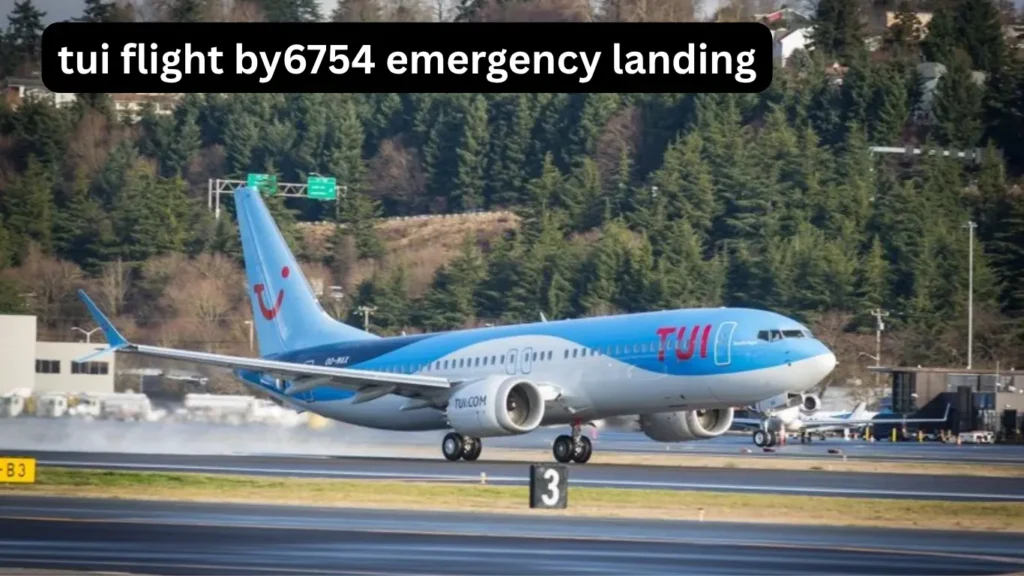
The aircraft involved in the tui flight by6754 emergency landing was reportedly a modern jet, possibly from the Boeing 737 family, which is widely used for short- to medium-haul flights. These aircraft are equipped with advanced safety systems and are designed to handle a wide range of scenarios.
The route itself was not unusual, operating between popular travel destinations. Weather conditions and air traffic control coordination typically play a role in flight safety, but initial reports suggest that the emergency was not caused by extreme weather conditions.
Understanding the aircraft and route helps provide context. It shows that even well-maintained planes on routine journeys can encounter unexpected issues, which is why aviation safety systems are so robust.
What Happened During the Emergency Landing?
Timeline of Events
The tui flight by6754 emergency landing unfolded over a short but intense period. During the flight, the crew reportedly detected an issue that required immediate attention. While details may vary depending on official reports, such situations often involve technical alerts or abnormal readings in the cockpit.
Once the issue was identified, the pilots followed standard emergency procedures. This typically includes notifying air traffic control, declaring an emergency, and preparing for a possible diversion. Communication is critical at this stage, ensuring that the aircraft receives priority handling and a safe landing path.
Passengers may have noticed changes such as announcements, altered flight paths, or cabin crew preparing for landing earlier than expected. Despite the tension, trained crew members work to keep passengers calm and informed throughout the process.
Pilot Response and Decision-Making
Pilots undergo extensive training to handle emergencies, and the tui flight by6754 emergency landing highlights their professionalism. The decision to make an emergency landing is never taken lightly. It is based on careful evaluation of the situation, potential risks, and available alternatives.
In many cases, pilots choose the nearest suitable airport to minimize risk. This ensures that the aircraft can land safely without prolonging exposure to the issue. The coordination between pilots and ground control plays a crucial role in ensuring a smooth landing.
The successful handling of the situation demonstrates how aviation safety is not just about technology but also about human expertise. The crew’s calm and calculated response is often the key factor in ensuring passenger safety.
Possible Causes Behind the Incident
Technical Issues
One of the most common reasons for an emergency landing is a technical problem. Aircraft are equipped with numerous systems that monitor engine performance, cabin pressure, and other critical parameters. If any of these systems detect an anomaly, it can trigger an alert.
In the case of the tui flight by6754 emergency landing, the issue may have been related to a mechanical or electrical component. Even minor irregularities can prompt precautionary measures, as safety is always the top priority in aviation.
It is important to note that modern aircraft are designed with redundancy. This means that even if one system fails, backup systems can take over, allowing the aircraft to continue operating safely until landing.
Medical Emergencies or External Factors
Not all emergency landings are caused by technical faults. Sometimes, a passenger or crew member may experience a medical emergency that requires immediate attention. In such cases, the aircraft may divert to the nearest airport to ensure timely medical care.
External factors such as bird strikes, unexpected turbulence, or even smoke detection in the cabin can also lead to emergency landings. While these situations can be alarming, they are relatively rare and are handled with strict protocols.
The tui flight by6754 emergency landing could have been triggered by any of these factors, but without official confirmation, it remains a case study in how airlines respond effectively to potential risks.
Passenger Experience During the Incident
Cabin Crew Role and Communication
During the tui flight by6754 emergency landing, the cabin crew played a vital role in maintaining order and ensuring passenger safety. Flight attendants are trained to handle emergencies, provide instructions, and assist passengers in preparing for landing.
Clear communication is essential in such situations. Passengers are usually informed about the situation in a calm and reassuring manner, even if details are limited. This helps reduce panic and keeps everyone focused on safety procedures.
The professionalism of the cabin crew often determines how passengers perceive the situation. Their ability to remain composed and supportive is a key part of the overall safety system.
Passenger Reactions and Safety Measures
Passengers on board may have experienced a range of emotions, from concern to fear. However, most emergency landings are precautionary and do not result in harm. Safety measures such as seatbelt requirements, brace positions, and emergency instructions are designed to protect passengers.
The tui flight by6754 emergency landing likely involved standard safety protocols, including securing the cabin and preparing for landing. These procedures are practiced regularly by airline staff to ensure readiness.
While the experience can be stressful, it often reinforces the importance of following safety instructions and trusting the expertise of the crew.
Aviation Safety Standards and Emergency Protocols
How Airlines Prepare for Emergencies
Airlines like TUI Airways invest heavily in safety training and equipment. Pilots and cabin crew undergo regular simulations to prepare for a wide range of scenarios, including emergency landings.
Aircraft are also subject to strict maintenance schedules, ensuring that all systems are functioning correctly. Regulatory bodies set high standards that airlines must meet to operate safely.
The tui flight by6754 emergency landing demonstrates how these preparations come into play during real-life situations. The ability to respond quickly and effectively is a direct result of rigorous training and planning.
Why Emergency Landings Are Often Safe
Despite the alarming nature of the term, emergency landings are usually carried out safely. Modern aviation technology, combined with skilled professionals, ensures that risks are minimized.
Airports are equipped to handle emergencies, with fire and rescue teams on standby. Air traffic control provides priority clearance, allowing the aircraft to land without delays.
The tui flight by6754 emergency landing serves as a reminder that emergency procedures exist to protect passengers, not to signal imminent danger. In most cases, they are precautionary actions taken out of an abundance of caution.
Lessons Learned from the Incident
Importance of Preparedness
One of the key takeaways from the tui flight by6754 emergency landing is the importance of preparedness. From pilots to ground staff, every member of the aviation system plays a role in ensuring safety.
Regular training, advanced technology, and clear communication all contribute to successful outcomes. These elements work together to handle unexpected situations effectively.
Preparedness is not just about reacting to emergencies but also about preventing them. Continuous improvement in safety standards helps reduce risks over time.
Building Passenger Confidence
Incidents like the tui flight by6754 emergency landing can initially cause concern, but they also highlight the strength of aviation safety systems. When handled correctly, they reinforce trust in the industry.
Passengers can take comfort in knowing that airlines prioritize safety above all else. The successful resolution of such incidents demonstrates the effectiveness of established protocols.
Understanding how emergencies are managed can help passengers feel more confident and informed when traveling by air.
FAQs
What caused the tui flight by6754 emergency landing?
The exact cause may vary depending on official reports, but it could involve technical issues, medical emergencies, or precautionary measures taken by the crew.
Was anyone injured during the incident?
Most emergency landings, including this one, are carried out safely without injuries, thanks to strict safety protocols.
How common are emergency landings?
Emergency landings are relatively rare and are usually precautionary. Aviation remains one of the safest modes of transport.
What should passengers do during an emergency landing?
Passengers should follow crew instructions, remain calm, and adhere to safety procedures such as fastening seatbelts and assuming the brace position if instructed.
Are emergency landings dangerous?
While they can be stressful, emergency landings are generally safe due to advanced technology and trained professionals.
How do pilots decide to make an emergency landing?
Pilots assess the situation, evaluate risks, and choose the safest option, often opting for the nearest suitable airport.
Conclusion
The tui flight by6754 emergency landing is a clear example of how the aviation industry prioritizes safety above all else. While the term “emergency landing” may sound alarming, it often represents a precautionary step taken to ensure the well-being of passengers and crew.
From the professionalism of the pilots to the preparedness of the cabin crew, every aspect of the response highlights the strength of modern aviation systems. Advanced aircraft technology, strict safety regulations, and continuous training all contribute to successful outcomes in challenging situations.
Ultimately, incidents like this should not discourage air travel but rather reassure passengers of the robust safety measures in place. The aviation industry continues to evolve, learning from every event to make flying even safer in the future.