
Introduction
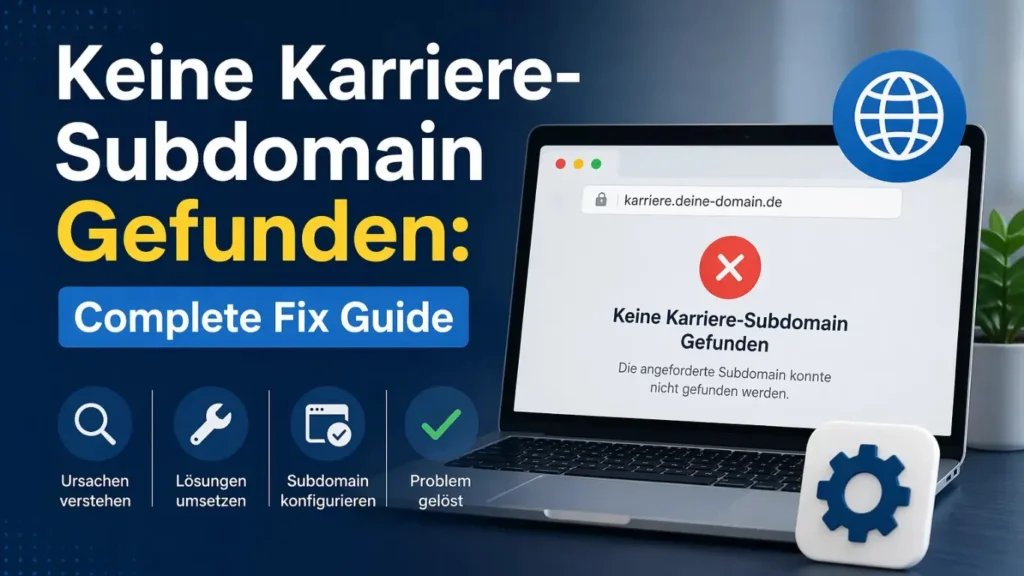
If you’ve ever come across the message “keine karriere-subdomain gefunden”, you might have felt confused or even frustrated. This German phrase translates to “no career subdomain found,” and it usually appears when a website or system cannot locate a dedicated subdomain for career or job-related pages. While it may sound technical, the issue is quite common, especially for businesses managing recruitment pages or job portals.
In today’s digital landscape, companies often use subdomains like careers.example.com to separate their hiring content from the main website. When this structure fails or isn’t properly configured, errors like keine karriere-subdomain gefunden can occur. This can negatively impact user experience, SEO rankings, and even hiring efficiency.
This article will walk you through everything you need to know—from what this error means to why it happens and how to fix it effectively. Whether you’re a website owner, developer, or digital marketer, this guide will help you resolve the issue and optimize your career pages for better performance.
Understanding the “Keine Karriere-Subdomain Gefunden” Error
What Does the Error Mean?
The message keine karriere-subdomain gefunden indicates that a system, website, or plugin is unable to detect a designated career subdomain. This typically happens when a company intends to host job listings or recruitment content on a separate subdomain but hasn’t set it up correctly.
Subdomains act as extensions of your main domain. For example, if your main site is example.com, a career subdomain might be careers.example.com. When this subdomain is missing or misconfigured, systems expecting it will throw an error.
This issue is especially common in CMS platforms or HR software integrations where predefined structures are expected. If the system cannot locate the subdomain, it cannot display job listings properly.
Why Do Businesses Use Career Subdomains?
Companies use career subdomains for several reasons. First, it helps keep job-related content separate from the main website, improving organization. Second, it allows for better customization of recruitment pages without affecting the main site.
Additionally, career subdomains can enhance SEO by targeting job-related keywords. They also make it easier to integrate third-party job boards and applicant tracking systems (ATS).
However, if not set up correctly, these benefits quickly turn into problems—leading to errors like keine karriere-subdomain gefunden.
Common Scenarios Where This Error Appears
This error often appears during website setup or migration. For example, if a company changes hosting providers or redesigns its website, subdomains may not transfer properly.
Another common scenario is when integrating recruitment software. Many tools require a dedicated subdomain, and if it’s missing, the system fails to connect.
It can also occur due to DNS misconfigurations or incorrect server settings, which prevent the subdomain from being recognized.
Main Causes of the Error
Missing Subdomain Configuration
One of the most obvious reasons for keine karriere-subdomain gefunden is that the subdomain simply doesn’t exist. If you haven’t created careers.yoursite.com, the system cannot find it.
This often happens when website owners assume subdomains are automatically generated. In reality, they must be manually created through hosting or DNS settings.
Without this configuration, any request to the career subdomain will fail.
DNS and Hosting Issues
Even if the subdomain exists, DNS errors can prevent it from functioning correctly. DNS (Domain Name System) is responsible for translating domain names into IP addresses.
If the DNS records for your career subdomain are incorrect or missing, the system won’t recognize it. This leads to the keine karriere-subdomain gefunden message.
Hosting-related issues, such as server misconfiguration or lack of support for subdomains, can also cause this problem.
Incorrect CMS or Plugin Setup
Many content management systems (CMS) and plugins require specific settings for subdomains. If these settings are incorrect, the system won’t detect the career subdomain.
For example, a recruitment plugin may require you to input the subdomain manually. If entered incorrectly, the plugin will fail to connect.
This is a common issue for users who are not familiar with backend configurations.
SSL Certificate Problems
Security is another important factor. If your career subdomain doesn’t have a valid SSL certificate, browsers and systems may block access.
This can indirectly lead to errors like keine karriere-subdomain gefunden, especially if secure connections are required.
Ensuring HTTPS compatibility is crucial for both functionality and user trust.
How to Fix “Keine Karriere-Subdomain Gefunden”
Create and Configure the Subdomain
The first step is to create the career subdomain through your hosting provider or DNS management panel. This usually involves adding a new record, such as:
- A record pointing to your server’s IP address
- CNAME record linking to your main domain
Once created, ensure it is properly linked to your website directory or application.
After setup, test the subdomain by visiting it in your browser.
Check DNS Settings
Verify that your DNS records are correctly configured. Look for errors such as:
- Missing A or CNAME records
- Incorrect IP addresses
- Propagation delays
DNS changes can take up to 24–48 hours to propagate globally. Be patient and double-check your entries.
Fixing DNS issues often resolves the keine karriere-subdomain gefunden error quickly.
Update CMS or Plugin Configurations
If you’re using a CMS or recruitment tool, ensure that the subdomain is correctly entered in the settings.
Check for:
- Correct URL format (e.g., https://careers.example.com)
- Proper integration settings
- Plugin updates
Sometimes, simply re-entering the correct subdomain can fix the issue.
Install an SSL Certificate
Secure your subdomain with an SSL certificate. Most hosting providers offer free SSL through services like Let’s Encrypt.
Once installed, ensure that your subdomain uses HTTPS instead of HTTP.
This not only fixes potential errors but also improves SEO and user trust.
SEO Impact of Career Subdomain Issues
Loss of Traffic and Visibility
When your career subdomain isn’t working, search engines cannot index your job pages. This leads to reduced visibility in search results.
Potential candidates searching for job opportunities may never find your listings.
Over time, this can significantly impact your hiring process.
Negative User Experience
Users encountering errors like keine karriere-subdomain gefunden may leave your site immediately. This increases bounce rates and reduces engagement.
A poor user experience can also damage your brand reputation.
Fixing the issue ensures a smooth journey for job seekers.
Indexing and Crawling Problems
Search engines rely on properly structured URLs. If your subdomain is missing or broken, crawlers cannot access your content.
This results in incomplete indexing and lower rankings.
Ensuring your subdomain works correctly helps search engines understand your site structure.
Best Practices for Managing Career Subdomains
Plan Your Website Structure
Before creating a career subdomain, plan your website structure carefully. Decide whether a subdomain or subdirectory is best for your needs.
Subdomains are ideal for large organizations with dedicated recruitment systems.
Proper planning prevents issues like keine karriere-subdomain gefunden.
Regularly Monitor DNS and Hosting Settings
Keep an eye on your DNS and hosting configurations. Regular checks can help you identify issues early.
Use monitoring tools to ensure your subdomain is always accessible.
This proactive approach reduces downtime and errors.
Keep Software and Plugins Updated
Outdated software can cause compatibility issues. Always update your CMS, plugins, and integrations.
New updates often include bug fixes and improved support for subdomains.
This ensures smooth operation of your career pages.
Test Your Setup Frequently
After making changes, test your subdomain thoroughly. Check for:
- Accessibility
- Loading speed
- Mobile responsiveness
Frequent testing helps you catch problems before they affect users.
FAQs
What does “keine karriere-subdomain gefunden” mean?
It means that a system cannot find a designated career subdomain on your website, often due to missing or incorrect configuration.
How do I create a career subdomain?
You can create it through your hosting provider or DNS settings by adding an A or CNAME record and linking it to your server.
Can this error affect SEO?
Yes, it can prevent search engines from indexing your job pages, reducing visibility and traffic.
Is an SSL certificate necessary for subdomains?
Yes, SSL ensures secure connections and helps avoid access issues while improving SEO.
How long does it take to fix DNS issues?
DNS changes usually take 24–48 hours to propagate, though some updates may appear sooner.
Should I use a subdomain or subdirectory for careers?
It depends on your needs. Subdomains are better for separate systems, while subdirectories are easier to manage within one site.
Conclusion
The error keine karriere-subdomain gefunden may seem technical, but it’s usually caused by simple configuration issues. Whether it’s a missing subdomain, DNS misconfiguration, or incorrect CMS settings, the problem can be resolved with the right approach.
By understanding how subdomains work and following best practices, you can ensure your career pages run smoothly. Fixing this issue not only improves user experience but also boosts your SEO performance and hiring success.
Take the time to set up your career subdomain correctly, monitor it regularly, and keep your systems updated. Doing so will help you avoid errors and create a seamless experience for job seekers visiting your website.